Free Local Shipping on Orders over ₱3000.

Gemstone Profile: Jade

The ancient stone of peace, prosperity, and virtuous living

Jade is one of the most culturally significant gemstones in human history — carved as imperial regalia in China, ritual weapons in Mesoamerica, and ancestral pounamu in Māori New Zealand. Until 1863 all jade was considered one stone; in that year French mineralogist Alexis Damour proved jadeite and nephrite are chemically distinct minerals that happen to share similar appearance and uses. References below cite scientific/gemological sources (GIA) separately from the metaphysical tradition (Perrakis, Hall, Pearson, Van Doren, Newcombe & Martin).

Mineral family

“Jade” is a trade name for two distinct minerals: jadeite (a sodium aluminum pyroxene, NaAlSi₂O₆) and nephrite (a calcium magnesium amphibole of the actinolite–tremolite series). Both are metamorphic rocks of tiny interlocking crystals, which gives jade its famous toughness.

Color

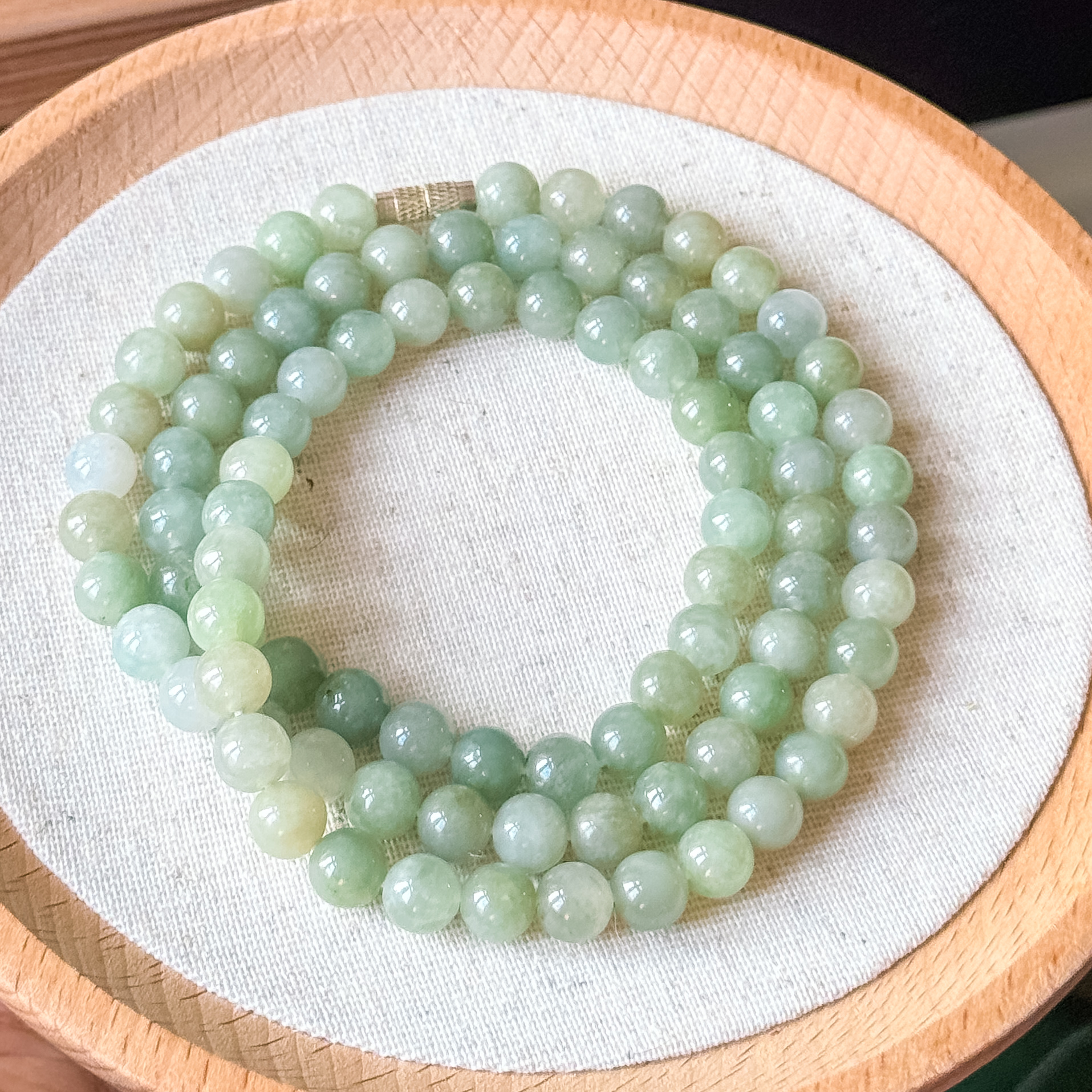
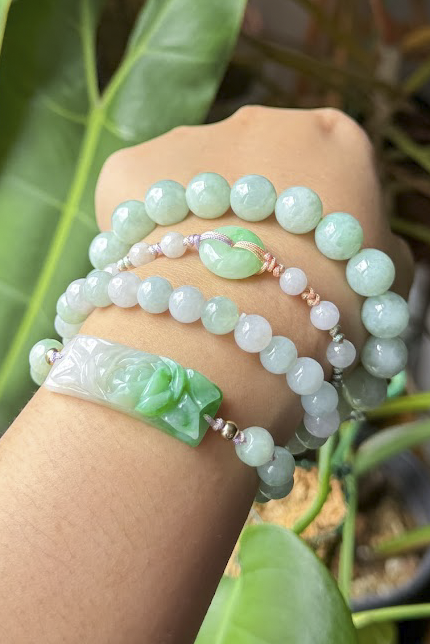
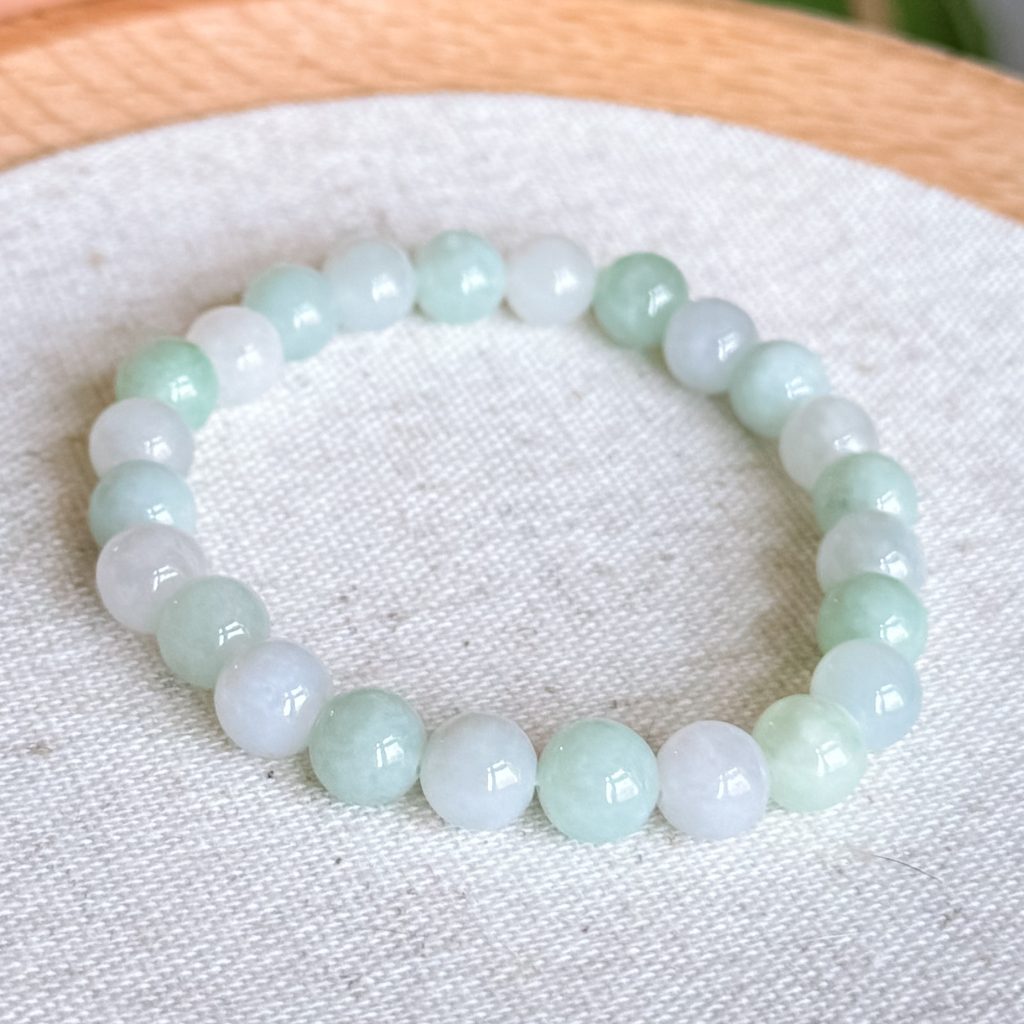
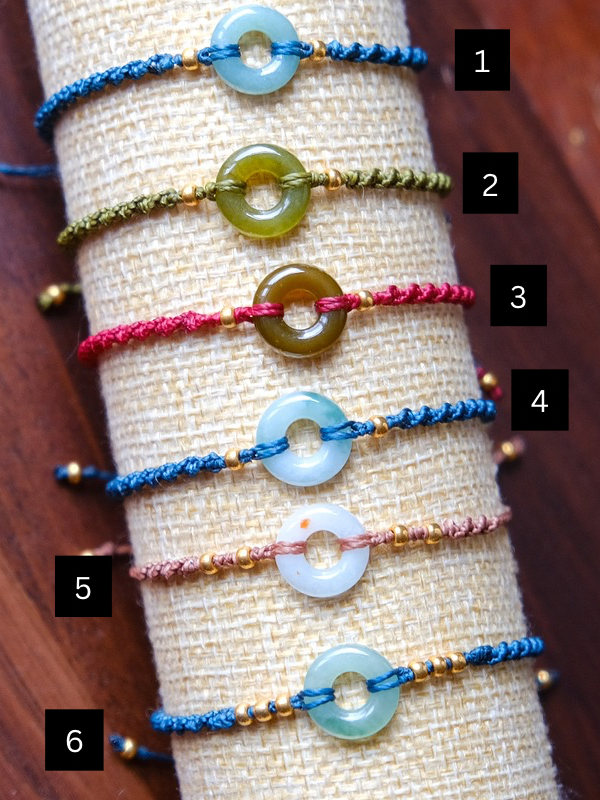
Every color from white to black — most famously green. Jadeite: many shades of green, lavender, yellow, reddish-orange, white, gray, black. Nephrite: light to dark green, yellow, brown, gray, white, black (so-called “mutton-fat” white is prized).

Origin

Worldwide. Jadeite: Myanmar (the main commercial source, historic Imperial jade), Guatemala, Russia, Japan. Nephrite: China, New Zealand (pounamu), Russia (Siberia), Canada (British Columbia), Taiwan, Australia, United States (Wyoming).

Chakra alignment

Heart (primary); varies by color — white/lavender work with higher chakras, yellow with solar plexus, red/orange with sacral, blue with throat

Metaphysical benefits

Peace, abundance, heart healing, protection, longevity

Hardness (Mohs)

Jadeite 6.5–7; Nephrite 6–6.5. Jade’s defining property is toughness (resistance to breaking), not hardness — nephrite is actually the toughest natural gem material known.

Rarity

Common-grade jade is abundant and affordable; top-color translucent jadeite (“Imperial jade”) is among the most expensive gem materials in the world, with fine Burmese pieces selling for millions

How to spot quality

Color (vivid, evenly distributed green is most prized), translucency (semi-transparent commands a premium), and texture (fine, smooth, uniform grain). Tap it gently — genuine jade rings with a clear, musical tone. Watch for treatment: Type A is natural and untreated; Type B is bleached and polymer-impregnated; Type C is dyed. Only Type A holds full value. Dyed and treated jade is extremely common in the trade.

Mineralogy & Formation

      “Jade” is a name applied to two different minerals. Nephrite is the classical jade — a mass of interlocking actinolite/tremolite amphibole fibers. Jadeite is a pyroxene mineral (NaAlSi₂O₆) with a denser, more sparkly grain and a higher refractive index; it is the more precious of the two.4,5,7

      Both form through metamorphism — nephrite mainly in serpentinite and metasomatic contacts, jadeite at the high-pressure, low-temperature margins of colliding tectonic plates. Much jadeite occurs around the Pacific “Ring of Fire,” often as pebbles and boulders in stream valleys beneath a weathered outer rind.5

      Hardness is 6–7 Mohs, but jade’s signature property is toughness — its interlocking crystal structure makes nephrite the toughest natural gem material known, which is why prehistoric peoples used it for axes, adzes, and weapons long before it was jewelry.7,9

      Jade was only recognized as two separate mineral species in 1863, when French mineralogist Alexis Damour analyzed samples and showed jadeite and nephrite have distinct chemical compositions. Before that date, all jade in the literature is unspecified.1

      “Imperial jade” refers specifically to fine-grade jadeite colored by chromium in a vivid, translucent emerald green — made famous by Chinese emperor Qianlong (18th century), who prized the newly-arrived Burmese material.4,9

      The name “jade” comes from the Spanish piedra de hijada, “stone of the loins,” given by Spanish colonizers who observed Indigenous peoples in Mesoamerica using jade to treat kidney ailments. “Nephrite” comes from the same root (Greek nephros, “kidney”).2
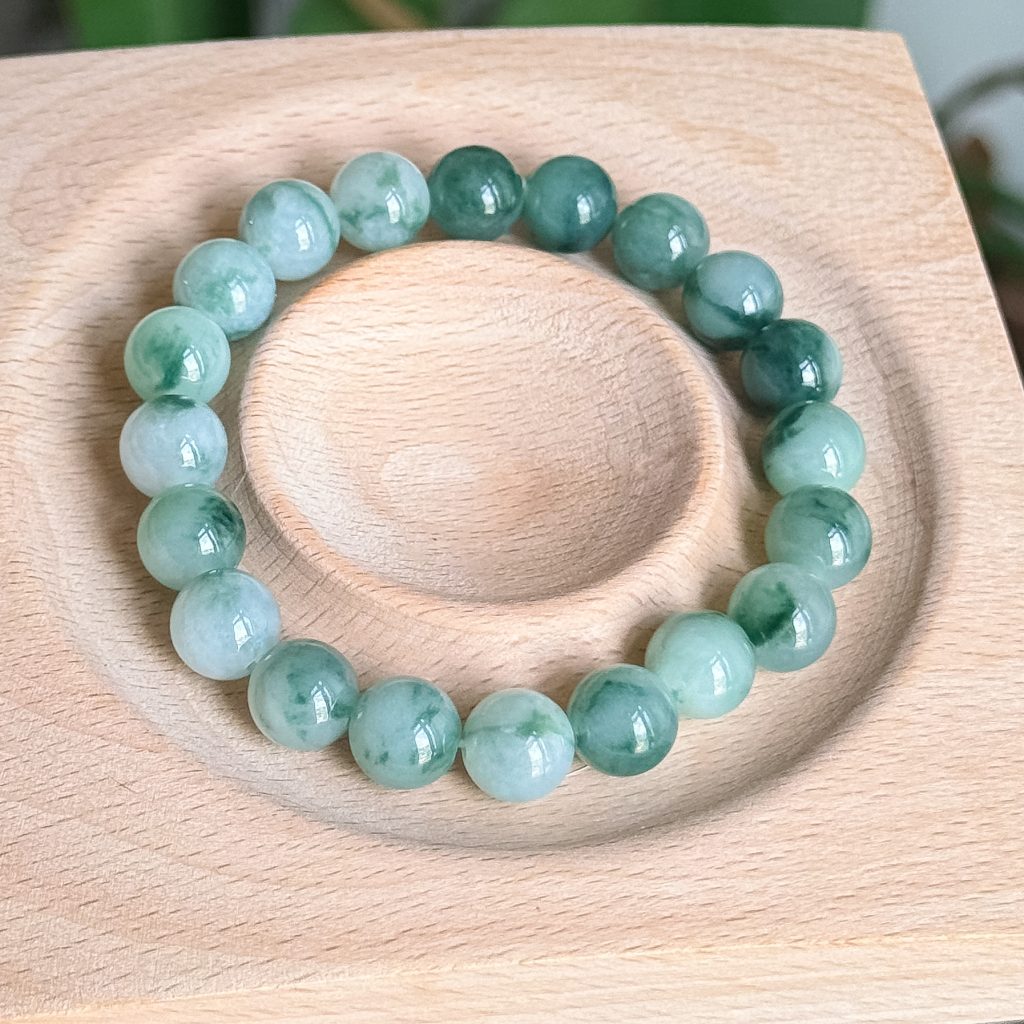
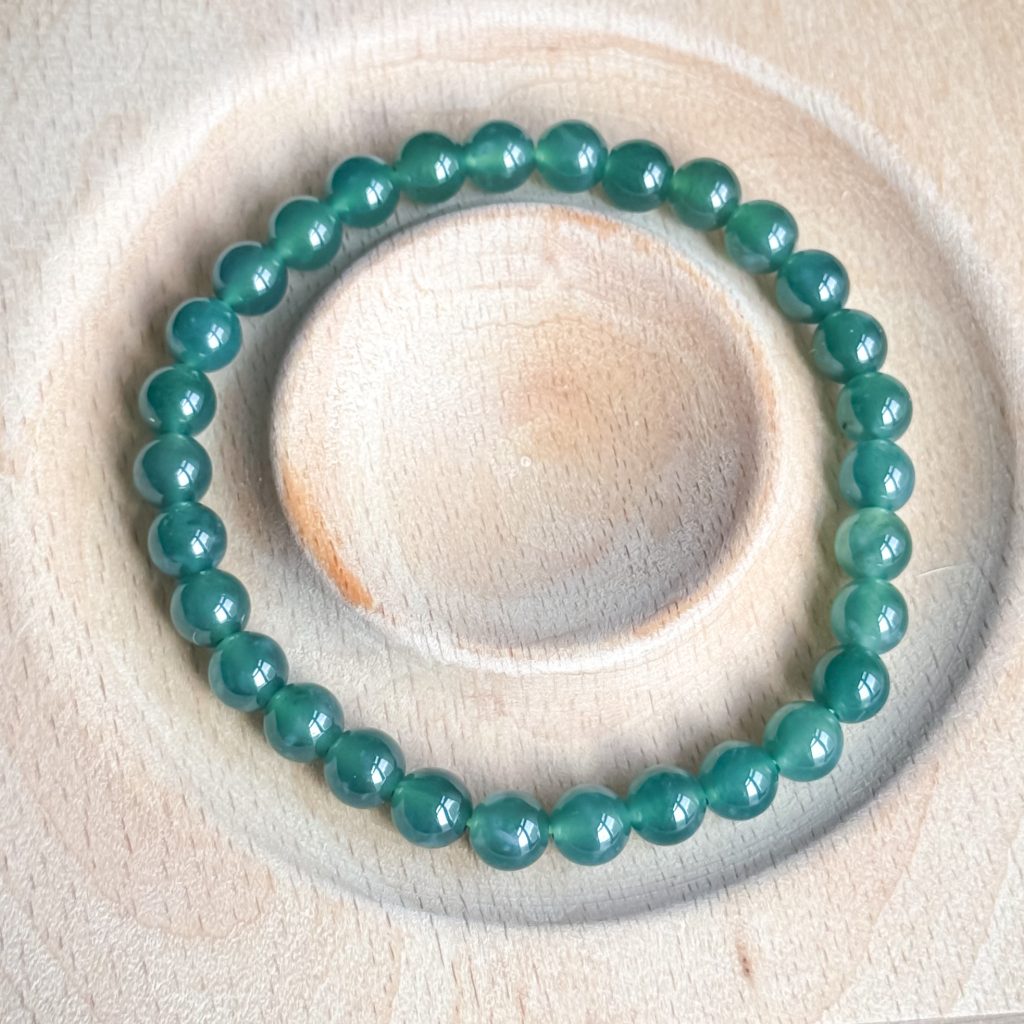
Jadeite vs. Nephrite

Same name, two stones. The metaphysical tradition treats them as close cousins, but gemologically they behave differently.  
  • Jadeite — a pyroxene, sodium-aluminum silicate. Harder (6.5–7), denser, glassier luster, more color range (emerald green, lavender, yellow, reddish-orange, white, black). The main commercial source is Myanmar; Guatemalan jadeite was the sacred stone of the Olmec, Maya, and Aztecs. This is the variety carved into Imperial jade.5,7,9
  • Nephrite — an amphibole, calcium-magnesium silicate. Slightly softer (6–6.5), waxier luster, typically in greens, whites, and browns. Found on almost every continent; historically worked by ancient China (where it was known as yu, the Stone of Heaven), the Māori of New Zealand (pounamu), and Indigenous peoples across Siberia and North America.1,5,7
  • Pounamu — New Zealand nephrite — is sacred to the Māori, traditionally carved into ancestral amulets, weapons (mere), and peace-offering pendants between iwi (tribes). Pounamu is considered infused with the wisdom and spirit of ancestors.1
  • Pearson notes that despite their chemical differences, the two jades “possess similar energies and healing qualities” in the metaphysical tradition — both understood as stones of peace, virtue, longevity, and heart-centered abidance.4

Color Varieties

  • Green Jade — the classic variety. Heart chakra; stone of peace, prosperity, and health. The higher the translucency and the more vivid the green, the more prized; Imperial jade is the apex.2,9
  • White Jade — Hall calls it “the ultimate symbol of purity.” Newcombe & Martin note its resonance with the higher chakras and ability to balance daily concerns with spiritual aspirations.2,5
  • Blue Jade — serenity and calm for people overwhelmed by their life situations; Throat chakra.2
  • Brown Jade — connects to the supportive, steady energy of the Earth; grounding.2
  • Lavender Jade — a jadeite color. Gentle; said to heal emotional trauma and take relationships with self and others to a higher level.2
  • Yellow Jade — less calming than other colors; joyful and energizing; good for invigorating a stuck or sluggish chakra and strengthening the body after surgery.2,5
  • Orange and Red Jade — powerfully invigorating, enhancing vitality and igniting passion for life.2
  • Black Jade — rarer; protective and grounding, associated with shielding against external negativity.5

Historic & Cultural Lore

  • The Chinese revered jade above gold for more than 5,000 years, attributing to it five virtues — wisdom, justice, modesty, courage, and purity — and five happinesses: wealth, old age, health, natural death, and love of virtue. Jade was placed on and in high-status corpses to delay decomposition and preserve the soul’s vitality.2
  • Jadeite did not reach China from Burma (Myanmar) until the late 1700s, during the Qing dynasty. Before that, all Chinese jade was nephrite. Late 18th and 19th-century Chinese carvers produced jadeite masterpieces unsurpassed in design and technical execution.9
  • The Maya, Olmec, and Aztecs prized jadeite above gold, using it for masks, ritual vessels, and kings’ funerary jewelry. Spanish conquistadors observed Indigenous use of jade for kidney complaints and named it piedra de hijada — from which both “jade” and “nephrite” derive.2
  • The Māori of Aotearoa/New Zealand wore pounamu (nephrite) talismans for long life and fertility. Carved pendants were named after ancestors and passed down to carry their spirit; polished pounamu weapons signified chieftainship and were exchanged as peace offerings between iwi.1,2
  • In antiquity jade was considered a stone of weather magic, believed to summon wind, rain, snow, or mist and hold power over the Earth’s elements. Muslim travelers wore jade amulets to protect against “injury and annoyance.”2
  • Sir Walter Raleigh encountered jade on his expeditions and used it as a “spleene stone” and a remedy for “the stone” (gallstones); his writings helped spread European interest in jade’s supposed medical virtues.2
  • Czar Alexander III of Russia’s sarcophagus was carved from a single massive block of Siberian nephrite — one of the largest ceremonial jade objects ever produced.1

Quality Factors (GIA)

  • For jadeite, the three most important quality factors in order are color, transparency, and texture. Color is the overwhelming value driver — a vivid, evenly saturated “Imperial” green in a semi-transparent stone can command prices rivaling top diamonds.8,9
  • Transparency: jadeite ranges from opaque to semi-transparent. Semi-transparent stones with no visible inclusions are the most valuable; opaque, mottled material is at the bottom of the market.8
  • Texture: fine-grained, smooth-surfaced jadeite is called “old-mine” quality. Coarse, visibly granular texture lowers value sharply, regardless of color.8
  • Treatment disclosure is critical. Type A jade is natural and untreated — only Type A holds full value. Type B is bleached and polymer-impregnated to improve translucency; Type C is dyed. Unscrupulous sellers often misrepresent B and C material as natural. Always ask for a GIA or recognized-lab certificate for any significant purchase.8
  • Nephrite is evaluated similarly but generally commands lower prices than jadeite, with the exception of top-grade Hetian “mutton-fat” white nephrite from China, which has its own premium collector market.7

Metaphysical Properties (Traditional Claims)

  • Peace and virtuous living — Pearson frames jade as the stone of peaceful abidance: “the natural order for the heart is to peacefully embody love at all times.” Jade helps the bearer release whatever blocks embodiment of kindness, justice, humility, beauty, and truthfulness.4
  • Abundance and prosperity — Perrakis calls jade a traditional stone of wealth and prosperity representing the infinite abundance of the universe. Said to help the wearer hold onto money that comes via gifts or inheritance, and to promote mastery over money rather than subjection to it.1
  • Heart healing — jadeite activates the Heart chakra for tranquility and harmonious relationships; nephrite is a stone for grief, loss, and release of no-longer-serving bonds. Both are recommended for relationships that need harmony between divine masculine and feminine energies.1
  • Good fortune and protection — in the language of crystals jade symbolizes good fortune and protection. A jade amulet is traditionally worn as a long necklace over the heart or kept on the body at all times, including during sleep, to encourage sweet dreams and safe passage.1,2
  • Insight and dream work — Hall recommends jade placed on the forehead or under the pillow to induce insightful dreams and aid in interpreting them; she says jade “signifies wisdom gathered in tranquility,” useful for meditation and stress release.2
  • Longevity and soul nurture — jade is said to nurture the soul during incarnation, restore its purity, and support long, healthy life. This is the thread that unites the wildly different cultural traditions that revere jade on every continent.2,4
  • Weather and nature magic — ancient lore credited jade with calling up wind, rain, snow, and mist. Pounamu and green jade are traditionally kept in gardens to encourage plant growth and vitality.1,2

Physical-Healing Claims in the Literature

Traditional use only — not medical advice.
  • Jade is most strongly associated with the kidneys and adrenal glands, detoxification, and fluid balance — the cluster of physical associations that gave nephrite its name (Greek nephros, “kidney”).2,5
  • Early Chinese texts credit jade, powdered and mixed with water, with prolonging life, preventing fatigue, and delaying decomposition. It was used for asthma and diseases of the blood, and is still applied energetically for these purposes by modern practitioners.2
  • Medieval European lapidaries describe jade as aiding childbirth, reducing palpitations, and relieving dropsy.2
  • Hall calls jade “a powerful muscle relaxant” and recommends it placed gently over the site to encourage healing of stitches and abrasions; modern practitioners also use it for skeletal, filtration, and fluid-balance issues.2
  • Cool jade rollers and gua sha tools — a contemporary jade trend — draw on ancient Chinese use of smooth jade to move lymph, reduce puffiness, and soothe the face and neck.5

Jewelry & Care

  • Jade’s exceptional toughness makes it a superb carving and everyday-wear material. It can be worn in rings, bangles, pendants, and earrings with minimal fear of chipping — far more fracture-resistant than most gems of similar hardness.5,9
  • Clean with a soft, soapy cloth, then rinse with clean water and dry carefully. Jade should not be soaked, and it should be kept out of direct sunlight — prolonged sun exposure can fade some colors, especially in Type B and Type C treated material.5
  • Avoid ultrasonic and steam cleaners on any jade, and especially on treated (Type B or C) material — the polymer impregnation and dyes can degrade under heat, vibration, and aggressive chemicals.5,8
  • Always ask for treatment disclosure. In reputable markets, natural Type A jadeite will be certified. If a price seems too good for the apparent quality, it is almost certainly treated or assembled.8

References

  1. Athena Perrakis, Crystalpedia: The Wisdom, History, and Healing Power of More Than 180 Sacred Stones, “Jade,” “Jadeite,” “Nephrite,” and “Dianite” entries.
  2. Judy Hall, 101 Power Crystals: The Ultimate Guide, “Jade” entry.
  3. Yulia Van Doren, Crystals, “Jade” entry.
  4. Nicholas Pearson, Crystal Healing for the Heart, “Jade” section.
  5. Rachel Newcombe & Claudia Martin, The Complete Crystal Sourcebook, jade and nephrite entries.
  6. Michael Gienger, Healing Crystals: The A–Z Guide to 430 Gemstones, jadeite and nephrite entries.
  7. Gemological Institute of America (GIA), “Jade Description.” https://www.gia.edu/jade-description
  8. Gemological Institute of America (GIA), “Jadeite Jade Quality Factors.” https://www.gia.edu/jade-quality-factor
  9. Gemological Institute of America (GIA), “Jade History and Lore.” https://www.gia.edu/jade-history-lore

In stock

490.00

View Product This product has multiple variants. The options may be chosen on the product page

In stock

320.00

View Product This product has multiple variants. The options may be chosen on the product page
Share the Post:

Related Posts