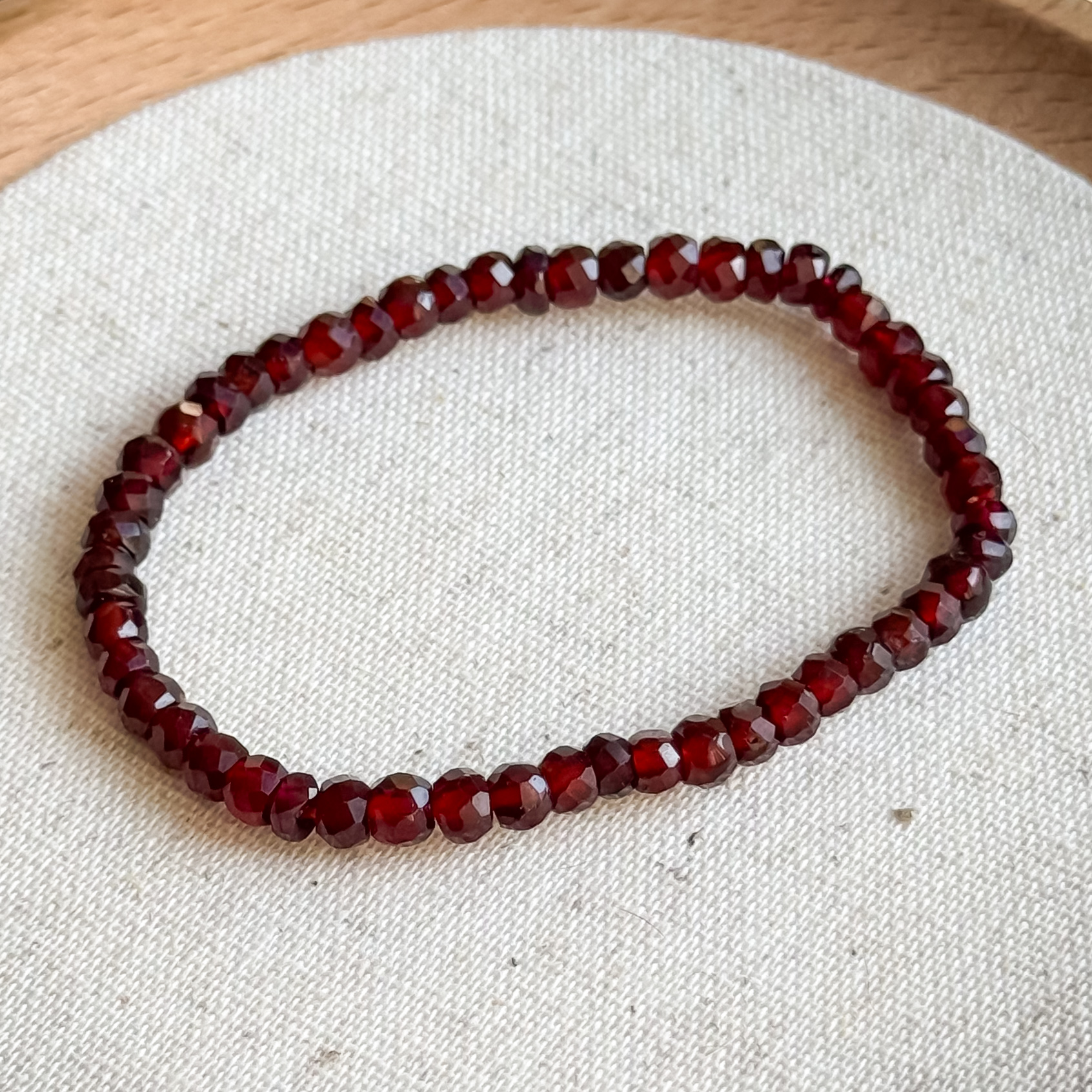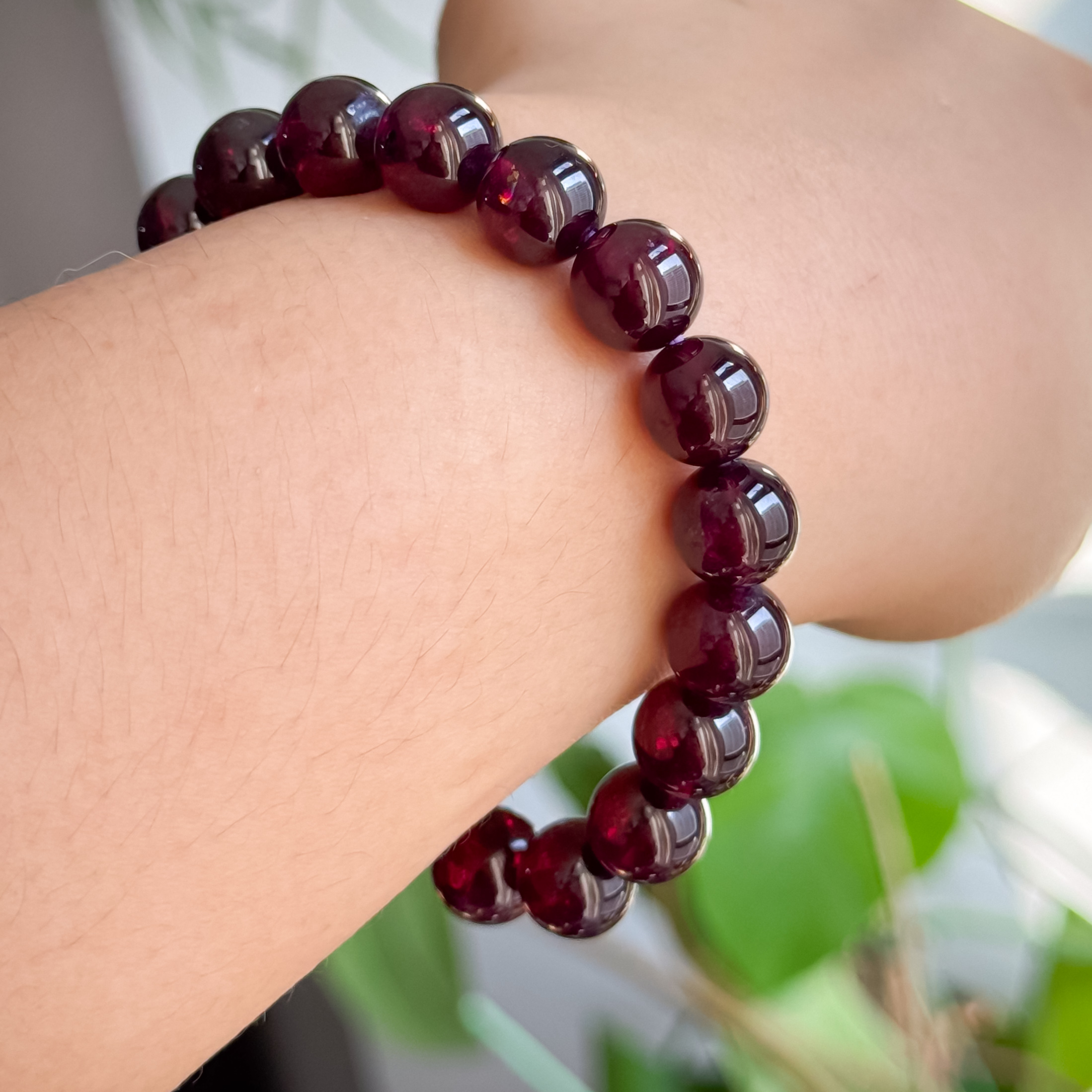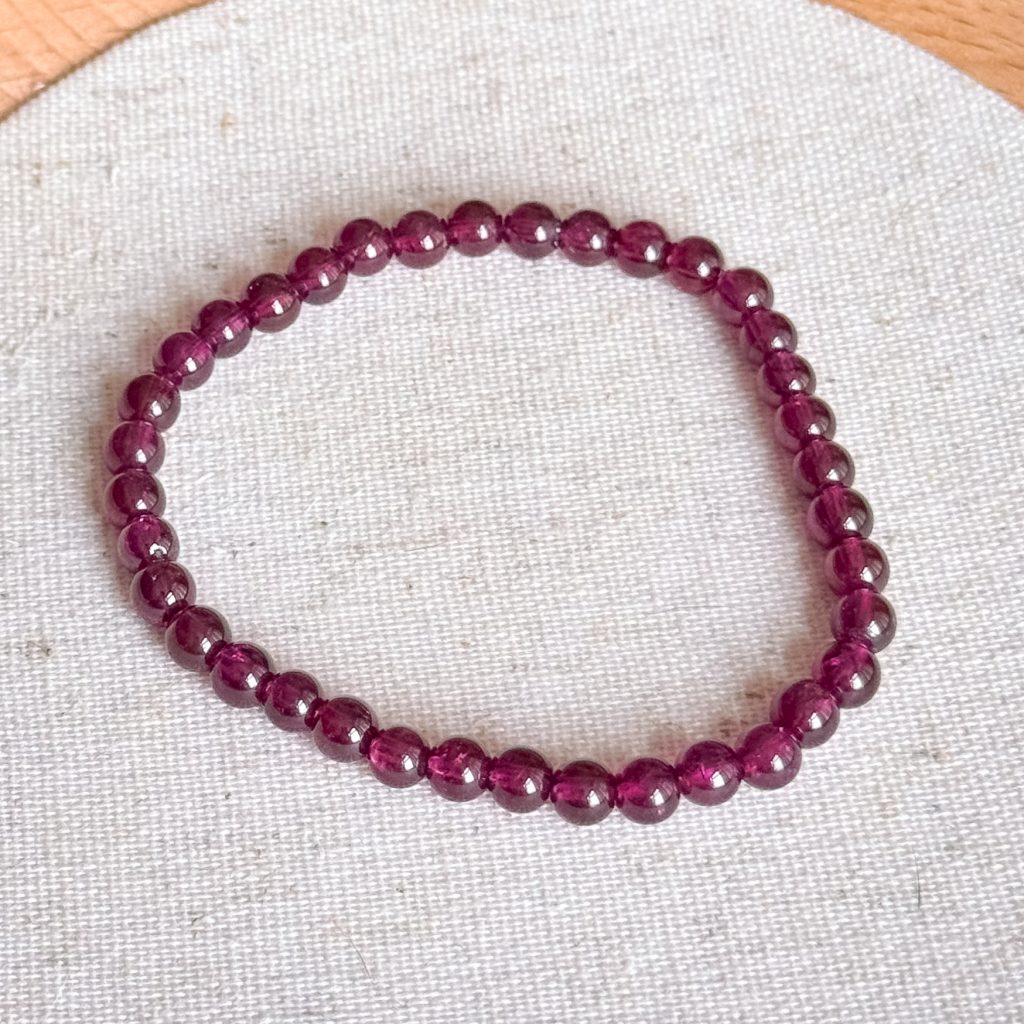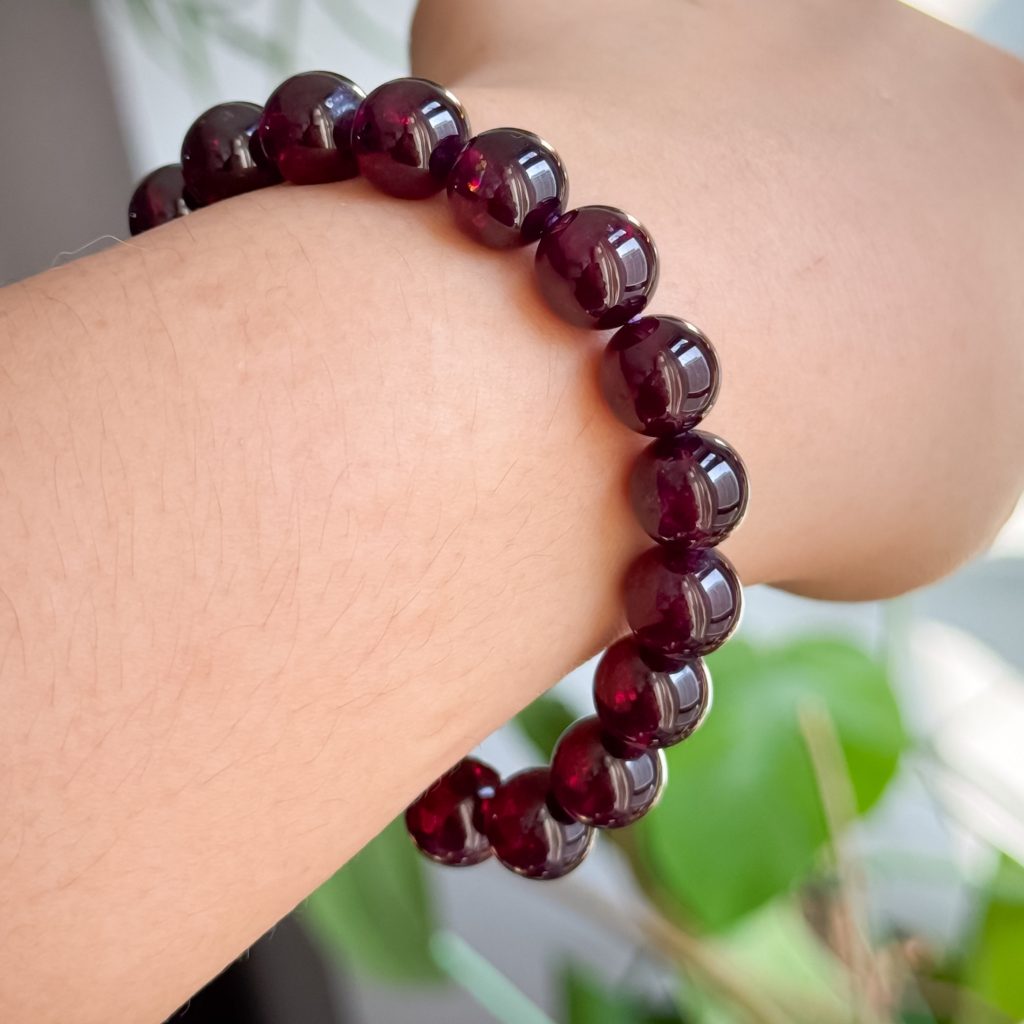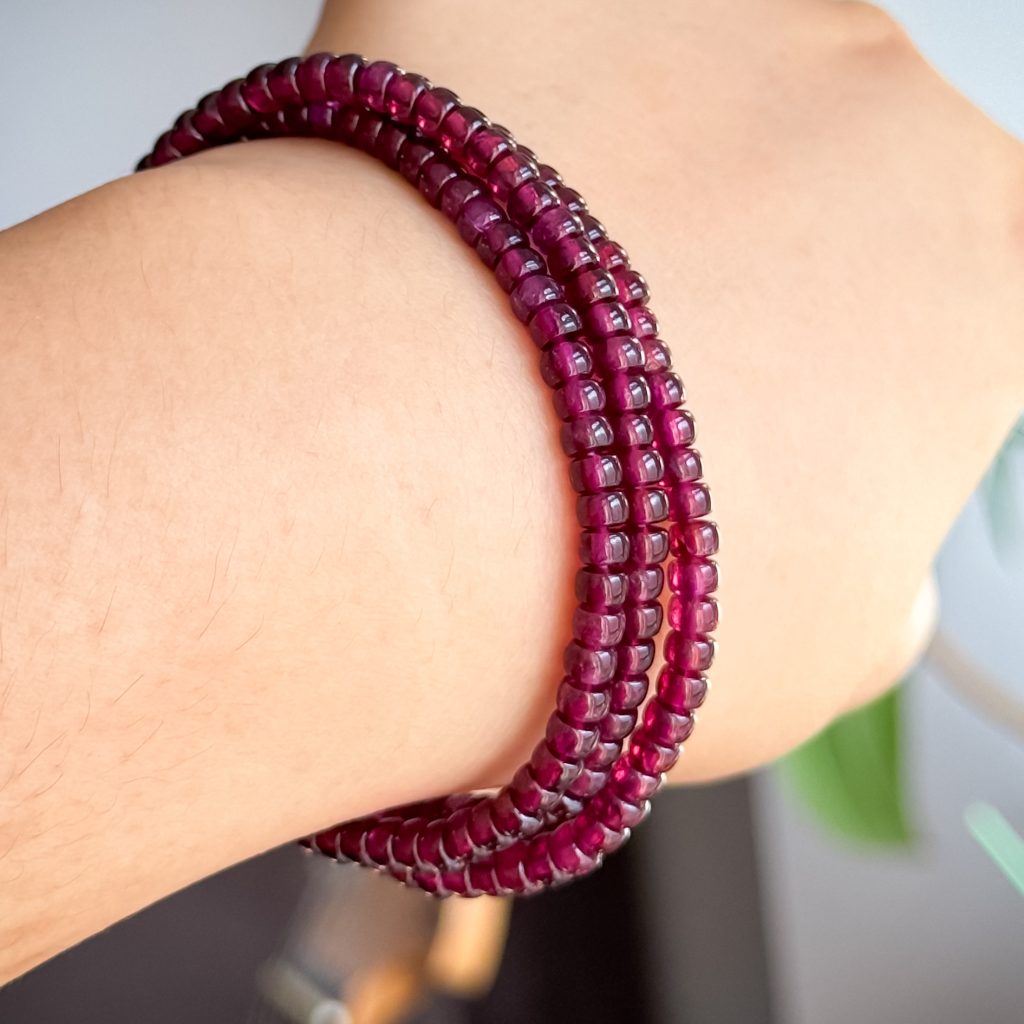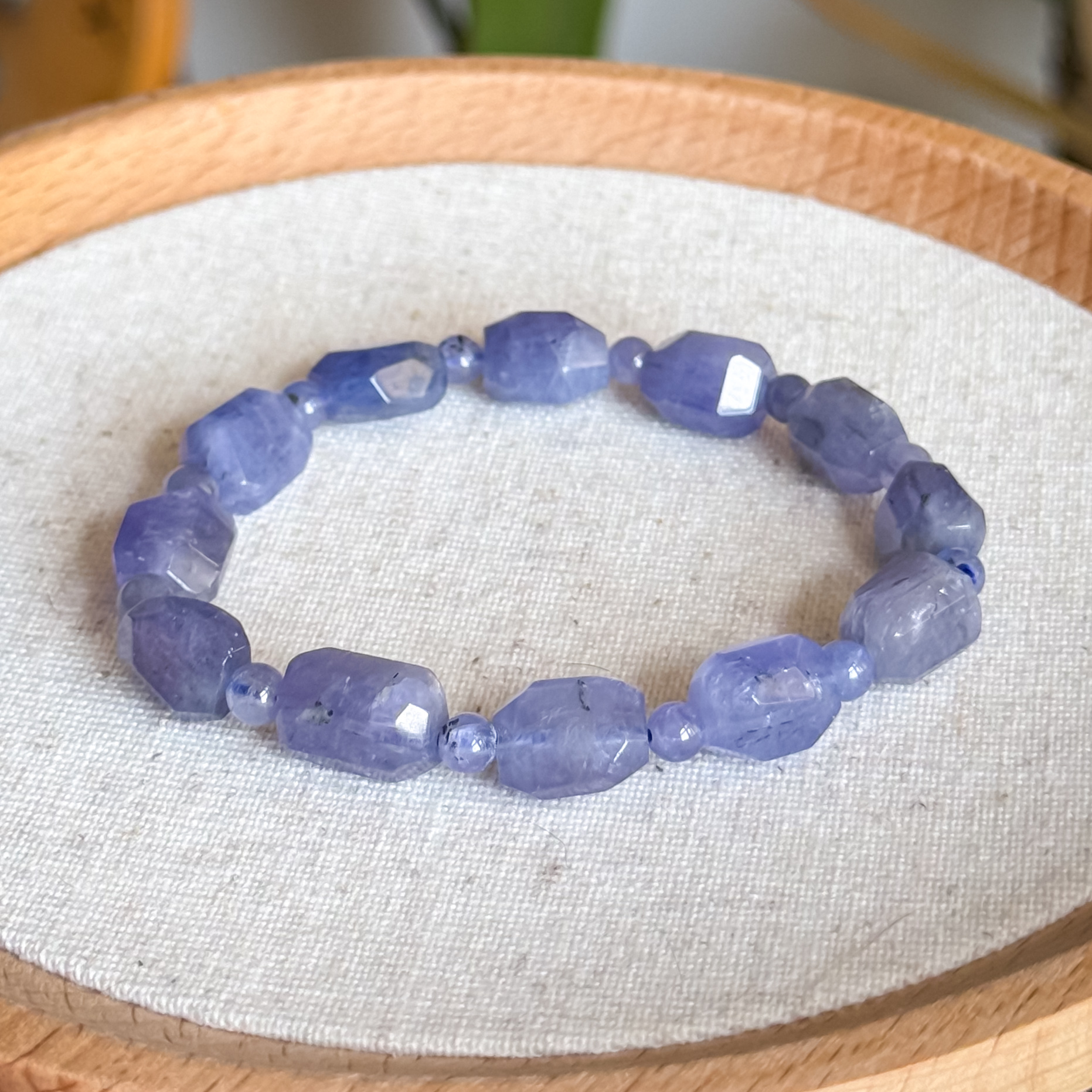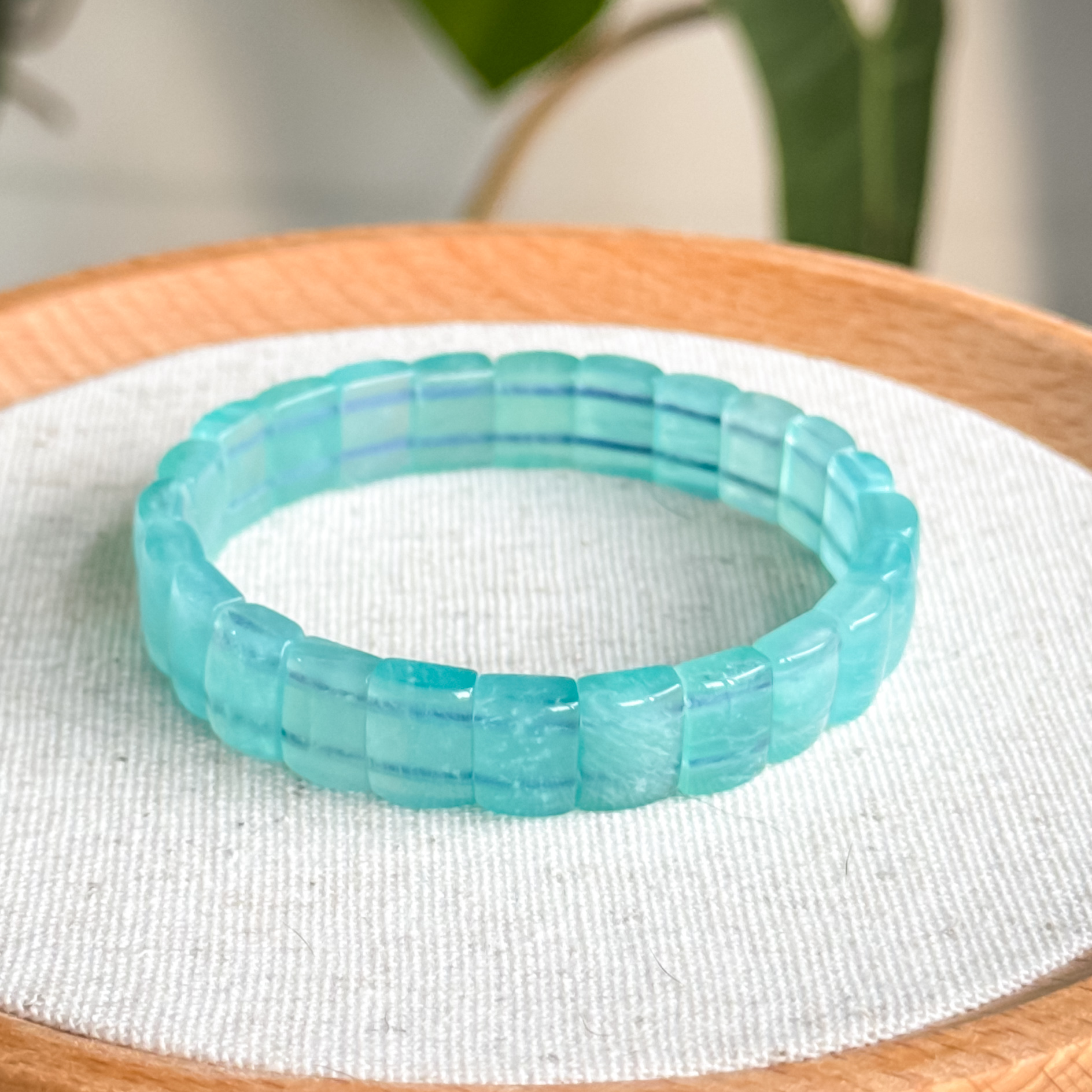
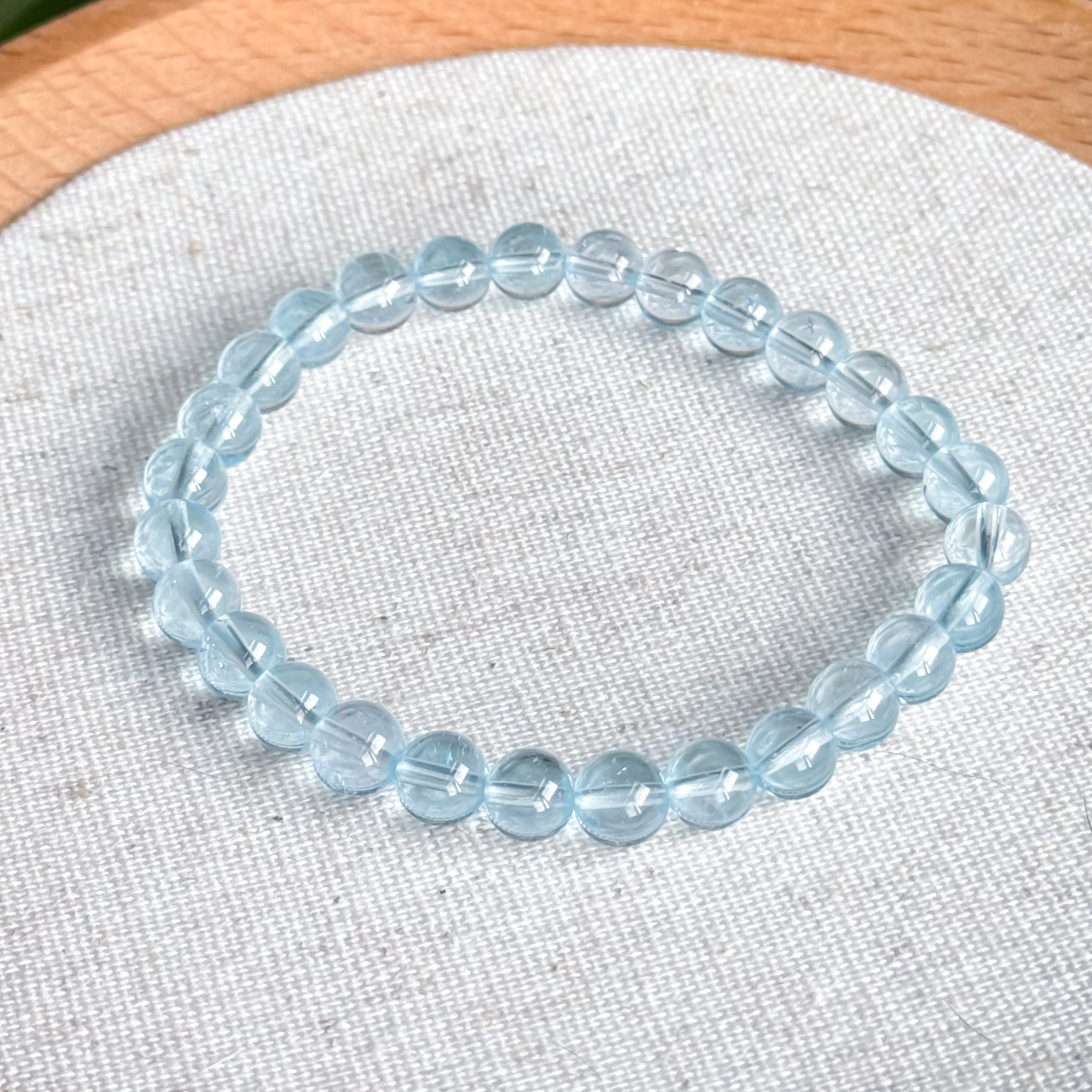
The pomegranate-seed stone of passion, vitality, and devoted commitment
Garnet is one of the oldest gemstones in continuous human use — Bronze Age beads, Egyptian royal jewelry, Roman signets, Anglo-Saxon cloisonné work, and the Bohemian garnet craze of the Victorian era all draw on this family. Because ‘garnet’ is actually a mineral group (pyrope, almandine, spessartine, grossular, andradite, uvarovite, and their intermediates), the reference below introduces the whole family and then treats the major gem varieties individually. Mineralogy, chemistry, and gemological grading follow GIA. Historical, cultural, and metaphysical claims follow the crystal book library, with cross-reference to gemological history where relevant.
|
Mineral family |
Garnet is not a single mineral but a group of closely related nesosilicates sharing the general formula X₃Y₂(SiO₄)₃, where X = Ca, Mg, Fe²⁺, or Mn²⁺, and Y = Al, Fe³⁺, or Cr³⁺. All garnets crystallize in the cubic (isometric) system, typically as rhombic dodecahedra or trapezohedra. The six principal species split into two solid-solution series: the pyralspite series (Pyrope–Almandine–Spessartine, Y = Al) and the ugrandite series (Uvarovite–Grossular–Andradite, X = Ca). |
|
Color |
Every color of the rainbow except pure blue (which is known only from rare color-change material). Classic deep red (almandine, pyrope, rhodolite), vivid orange (spessartine, Mandarin), cinnamon-brown (hessonite), vivid emerald-green (tsavorite, demantoid, uvarovite), yellow-green (Mali), pink, purple, black (melanite), yellow (topazolite), and color-change (blue-green in daylight to raspberry in incandescent). |
|
Origin |
Garnet is one of the most globally distributed gem minerals. Notable sources: India (almandine, star garnet), Czech Republic / Bohemia (pyrope — the historic source), Tanzania (tsavorite, rhodolite, color-change, Malaya), Kenya (tsavorite), Namibia (Mandarin spessartine, demantoid), Nigeria (spessartine), Madagascar (almost every variety), Russia (demantoid from the Ural Mountains — the original and most prized source), Mozambique, Brazil, Mali (grossular-andradite), Sri Lanka (hessonite, rhodolite), United States (Idaho star garnet, Arizona pyrope), Afghanistan, Pakistan, Myanmar, China, and Canada. |
|
Chakra alignment |
Root and Sacral (almandine, pyrope, rhodolite, spessartine, hessonite) — Heart (tsavorite, demantoid, uvarovite, Mali) — Solar Plexus (Mandarin, topazolite) — Crown/Third Eye (color-change garnet). As a family, garnet grounds and activates the three lower chakras. |
|
Metaphysical benefits |
Passion, vitality, courage, commitment, devotion, sexual energy, creativity, regeneration, protection during travel, stamina, prosperity |
|
Hardness (Mohs) |
6.5–7.5, depending on species. Pyrope/almandine ~7.5, spessartine ~7–7.5, grossular/andradite ~6.5–7.5. All garnets have no cleavage and good to excellent toughness — suitable for daily-wear rings with reasonable care. |
|
Rarity |
Almandine and pyrope are abundant and affordable; rhodolite, hessonite, and spessartine are moderately available. Tsavorite, demantoid (especially with horsetail inclusions), Mandarin spessartine, color-change garnet, and fine uvarovite are rare and can command prices rivaling or exceeding fine emerald and ruby. |
|
How to spot quality |
Color saturation is the single most important factor — vivid, ‘pure’ hue with no brown or gray masking. In red garnets (almandine, pyrope, rhodolite), look for open, lively color rather than inky or ‘black-hole’ dark stones. Demantoid is valued for high dispersion (more fire than diamond) and for the famed golden ‘horsetail’ byssolite inclusions in Russian material. Tsavorite is valued for pure, saturated emerald-green with no brown. For all garnets: garnet is rarely treated and almost never enhanced, so eye-clean, well-cut stones with strong color are typically natural. Demand full disclosure on any oiling or fracture filling, though this is uncommon. |
Mineralogy & Formation
- Garnet is a group of nesosilicate minerals that share a common crystal structure and the general formula X₃Y₂(SiO₄)₃. The X site hosts divalent cations (Ca²⁺, Mg²⁺, Fe²⁺, or Mn²⁺) and the Y site hosts trivalent cations (Al³⁺, Fe³⁺, or Cr³⁺). Different combinations at these two sites produce the different garnet species, each with its own color, density, and gemological signature.9
- Garnets crystallize in the cubic (isometric) system. GIA: ‘Garnet crystals are often well formed, and the two most common crystal shapes are the rhombic dodecahedron (a twelve-sided shape also known as a garnet-shape), and the trapezohedron (a 24-sided shape).’ These crystal forms are so characteristic that even in ancient jewelry, fragments of natural garnet can be identified by their intrinsic geometry.9
- The six principal species fall into two solid-solution series: the pyralspite series — Pyrope (Mg₃Al₂(SiO₄)₃), Almandine (Fe₃Al₂(SiO₄)₃), and Spessartine (Mn₃Al₂(SiO₄)₃), all sharing aluminum in the Y site — and the ugrandite series — Uvarovite (Ca₃Cr₂(SiO₄)₃), Grossular (Ca₃Al₂(SiO₄)₃), and Andradite (Ca₃Fe₂(SiO₄)₃), all sharing calcium in the X site. Most natural garnets are chemical blends of these endmembers rather than pure species.5,9
- Hardness ranges across the group from about 6.5 to 7.5, with no cleavage and conchoidal fracture. GIA: ‘Garnet is not particularly hard, so it is not quite as durable as some gems. But it does not have any cleavage, so it is not as fragile as topaz.’ This combination of reasonable hardness, no cleavage, and generally very good toughness makes garnet well-suited to jewelry.9
- Garnet forms in many geological environments: regionally metamorphosed rocks (schists, gneisses — the classic almandine setting), contact-metamorphosed limestones (grossular, andradite), ultrabasic igneous rocks (pyrope in peridotites, often associated with diamond), skarns (spessartine, andradite), and alluvial deposits worldwide. Garnet’s durability and density also make garnet sand one of the main industrial abrasives.5,9
The Red Garnets — Almandine, Pyrope, Rhodolite
- Almandine — the iron-aluminum endmember, Fe₃Al₂(SiO₄)₃, is the most abundant garnet and the one meant by the generic term ‘garnet’ in most historical jewelry. Color ranges from deep red to brownish-red to almost black. Almandine from India, Madagascar, and Sri Lanka has supplied jewelry since antiquity; ‘Indian almandine’ is still the standard commercial trade term.5,9
- Pyrope — the magnesium-aluminum endmember, Mg₃Al₂(SiO₄)₃, with a pure, open blood-red color (often described as the color of pomegranate arils). Hall: ‘pyrope is an intensely fiery red garnet… said to bestow vitality and charisma.’ The famous ‘Bohemian garnet’ jewelry of the 18th and 19th centuries used pyrope mined in Bohemia (now the Czech Republic), and the tradition of small, richly clustered pyrope pieces continues today.2,5
- Rhodolite — a solid-solution garnet (roughly two parts pyrope, one part almandine) with a distinctive raspberry-purple to rose-red color. Name comes from Greek rhodon (‘rose’) + lithos (‘stone’). First identified in North Carolina in the 1890s; today most gem rhodolite comes from Tanzania, Sri Lanka, and Mozambique. Perrakis: rhodolite is ‘a heart-chakra garnet that combines pyrope’s passion with a softer, more loving frequency.’1,9
- Metaphysical traditions of the red garnets are nearly identical: root-chakra grounding, vitality, blood and circulation, passionate love, sexual energy, and courage in combat. Hall: ‘garnet is a stone of commitment… it carries the healing energy of the blood.’ Crusaders, medieval knights, and Roman soldiers are all said in the lore to have worn garnet into battle for protection and strength.2,5,7
- Star garnet — a rare chatoyant-to-asteriated variety found almost exclusively in Idaho, USA (Idaho state gem) and India. Rutile or ilmenite inclusions produce four- or six-rayed stars on cabochon-cut almandine-pyrope stones. Idaho and India are the only commercial sources for six-rayed star garnet.5,9
The Orange & Cinnamon Garnets — Spessartine & Hessonite
- Spessartine — the manganese-aluminum endmember, Mn₃Al₂(SiO₄)₃. Named after the Spessart district of Bavaria where it was first described in 1832. Pure spessartine is yellow-orange to red-orange; iron content pushes the color toward brown-red. GIA: ‘Spessartine, also known as spessartite, is mostly valued for its bright orange color.’5,9
- Mandarin garnet — a trade name for the purest, most vivid orange spessartine, first discovered in 1991 in the Kunene region of Namibia, later also found in Nigeria and Tanzania. The pure fiery orange with virtually no brown made Mandarin garnet an instant sensation in high-end jewelry and it remains one of the most sought-after orange gems in the world.5,9
- Hessonite — the orange-to-cinnamon-brown variety of grossular, colored by iron and manganese. Also known as ‘cinnamon stone.’ In Hindu jyotish astrology (Vedic gemology), hessonite is the gem of the shadow planet Rahu and is worn in rings and pendants to counteract Rahu’s astrological influence. Sri Lanka, India, and Tanzania are the main sources.2,5,9
- Metaphysical traditions: spessartine and Mandarin garnet are associated with the sacral and solar-plexus chakras — creativity, passion, sexuality, personal willpower, and the overcoming of fear. Hall: spessartine ‘attracts soul mates… supports detoxification on all levels.’ Hessonite is traditionally linked to professional success, ambition, and — in the Indian tradition — the balancing of karmic influences.2,7
- Spessartine is often tested alongside citrine and orange sapphire as the most vivid natural orange gemstones. Unlike many orange materials, it is almost never heat-treated or enhanced — spessartine’s color is entirely natural, which is part of why Mandarin garnet commands such a premium.9
The Green Garnets — Tsavorite, Demantoid, Uvarovite
- Tsavorite — the vivid emerald-green variety of grossular, colored by chromium and/or vanadium. Discovered in 1967 by Scottish-Kenyan gemologist Campbell Bridges in northeastern Tanzania, and later found across the Kenyan border near Tsavo National Park. Tiffany & Co. named and launched the stone in 1974. GIA: tsavorite is prized for its ‘pure green color’ and often rivals fine emerald at a fraction of the price — and unlike emerald, tsavorite is rarely included or treated.5,9
- Demantoid — the bright green variety of andradite, colored by chromium. Demantoid has a dispersion of 0.057, higher than diamond’s 0.044, giving it extraordinary fire. GIA: ‘Named after the German word for diamond, ‘demant,’ this stone has greater brilliance and fire than a diamond.’ Discovered in the Ural Mountains of Russia in the 1850s and made famous by the jewelers of the Russian court; also found today in Namibia, Madagascar, and Iran.5,9
- Horsetail inclusions — Russian demantoid uniquely contains golden radiating sprays of byssolite (fibrous amphibole) that resemble a horse’s tail. GIA: ‘horsetail inclusions of fibrous byssolite are considered a hallmark of demantoid from the Ural Mountains of Russia… rather than detracting from the stone’s value, they can add to it.’ Horsetails prove Russian origin and are actively sought by collectors.9
- Uvarovite — the calcium-chromium garnet, Ca₃Cr₂(SiO₄)₃, the rarest of the six principal species. Almost always occurs as tiny, brilliant emerald-green drusy crystals on a matrix rather than as faceted gems. Named after Russian statesman Count Sergei Uvarov. Main sources: Russia, Finland, Canada, and South Africa.5
- Metaphysical traditions of the green garnets: all are heart-chakra stones. Tsavorite is linked with prosperity, wealth attraction, and heart healing (‘stone of prosperity’); demantoid with vitality, personal power, and manifestation; uvarovite with ‘solitude’ in the sense of peaceful self-company and spiritual abundance. Hall: uvarovite ‘assists solitude and stills the mind.’1,2,7
Specialty & Mixed-Species Garnets
- Malaya (or Malaia) garnet — a pink-to-orange pyrope-spessartine solid-solution material from the Umba Valley on the Tanzania-Kenya border. The name comes from the Swahili word for ‘outcast’ because miners initially rejected it when they could not classify it as either rhodolite or spessartine. Today Malaya is highly valued for its distinctive peach-to-pink-to-salmon tones.5,9
- Color-change garnet — a pyrope-spessartine containing vanadium and chromium that shifts dramatically from blue-green (or teal) in daylight to raspberry-red or purple under incandescent light. Among the most pronounced color-change phenomena in any natural gem, exceeding even fine alexandrite in some stones. Sources: Madagascar, Tanzania, Sri Lanka, and Norway.5,9
- Mali garnet — a grossular-andradite hybrid discovered in Mali in 1994, colored yellow-green to brown-green. Mali garnet has unusually high dispersion (approaching demantoid) and a golden-green hue that is unique to this origin. Still almost entirely supplied from the single Sandaré region discovery.5,9
- Topazolite — the rare transparent yellow-to-golden variety of andradite, named for its resemblance to yellow topaz. Usually found in small sizes (under 1 carat) and prized by collectors of unusual garnets. Main sources: Italy (Val Malenco), Switzerland, and California.5
- Melanite — the opaque black variety of andradite, colored by high titanium content. Used historically in Victorian-era mourning jewelry alongside jet and black onyx, and still used today by metaphysical practitioners for protection and psychic shielding work. Perrakis: melanite ‘is a powerful root-chakra and grounding stone, widely used as a protection stone in the Victorian era.’1
Historic & Cultural Lore
- The name ‘garnet’ derives from the Latin granatus (‘grain’ or ‘seed’), referring either to the deep-red pomegranate seed (malum granatum, the ‘many-seeded apple’) or to the granular habit in which garnet often occurs. GIA: ‘the name comes from the Latin ‘granatus,’ meaning ‘pomegranate,’ as the red color and crystal shape resemble the seeds of this fruit.’ The pomegranate itself appears in the myth of Persephone, a thematic link echoed in many crystal books.5,9
- Bronze Age and Egyptian use — garnet beads and amulets date to at least 3100 BCE. Egyptian pharaohs wore red garnet necklaces, and almandine was used as an inlay stone for signet rings, scarabs, and funerary masks. Kunz: ‘garnet was one of the most widely used of all gemstones in antiquity.’3,5
- Roman signet rings and intaglios — Romans carved garnet intaglios and wore them in signet rings for official seals. Because garnet does not adhere to hot wax, it was ideal for this purpose. Pliny the Elder’s Natural History describes ‘carbunculus’ (carbuncle) — a catch-all name for red garnets, rubies, and spinels — and the distinction was not clear until the 18th century.5,9
- Anglo-Saxon cloisonné — the Sutton Hoo ship burial (early 7th century, Suffolk, England) contains some of the world’s most celebrated garnet jewelry: shoulder clasps, sword fittings, and a purse lid set with thousands of precisely cut Indian almandine garnets in gold cloisonné cells. Isotope analysis of Anglo-Saxon garnets has traced a long-distance trade route from the Indian subcontinent to early medieval England.5,9
- Bohemian garnet jewelry — the peak of European garnet use came in the 18th and 19th centuries, when the rich pyrope deposits of Bohemia (today the Czech Republic) supplied jewelers with small, fiery red stones that were tightly clustered in gold- or silver-washed settings. ‘Bohemian garnet’ is still a recognized style today, with protected designation of origin; the technique of covering an entire surface with tiny closely-set garnets is a hallmark of the craft.5,9
- Traveler’s stone — medieval and Renaissance Europeans carried garnet as a protective amulet for safe travel, particularly for those crossing difficult terrain or setting out to sea. Hall: ‘Noah is said to have used a garnet lantern to navigate the ark through the darkness.’ The tradition extends to modern crystal practice, where garnet is still carried for protection during travel.2,7
- Garnet is the modern birthstone for January (Jewelers of America and GIA lists) and the traditional gift for the 2nd wedding anniversary. Its association with commitment, devotion, and fidelity — reinforced by the Persephone myth and the medieval ‘stone of constancy’ tradition — is why garnet has been a staple of engagement and promise jewelry for centuries.2,7,9
Metaphysical Properties
- Root chakra activation — red garnets (almandine, pyrope, rhodolite) are classical root-chakra stones. Hall: ‘garnet is a powerful energizing and regenerating stone. It cleanses and re-energizes the chakras. Revitalizes, purifies and balances energy, bringing serenity or passion as appropriate.’ The crystal book library consistently links red garnet to grounding, survival, security, and the core vitality of the physical body.2,7
- Passion, sexuality, and creative life-force — garnet is described across the literature as a sacral-chakra stimulant for sensuality and creative energy. Van Doren: ‘garnet is the gem of passion, commitment, and devotion… it rekindles the fire within.’ Perrakis ties this to the pomegranate symbolism: garnet carries the ‘seeds’ of new creative work and new chapters of life.1,3
- Commitment and devotion — garnet is the classical ‘stone of commitment.’ Hall: garnet ‘is a stone of commitment: commitment to self, partner, family, friends, purpose, cause.’ This is why garnet appears so frequently in engagement rings, anniversary jewelry, and heirloom pieces — the metaphysical tradition reinforces the historical one.2
- Courage and the warrior’s stone — a tradition running from the Crusaders through to modern practice holds that garnet worn by warriors confers courage, fearlessness, and protection from wounds. Adams Media: garnet ‘was carried into battle by warriors… believed to turn the color of blood when the wearer was in danger.’ The visual association of deep red garnet with blood is a recurring motif in the folklore.2,7
- Regeneration and vitality — because garnet is so closely tied to blood, fire, and the root chakra, it is widely used by crystal practitioners for recovery from illness, exhaustion, or life transitions. Silbey: garnet ‘supports you through difficult change, helping you regenerate after loss and reclaim your life-force.’8
- Heart-chakra green garnets — tsavorite, demantoid, uvarovite, and Mali garnet work on a different metaphysical layer than the reds: heart-opening, prosperity, gratitude, and abundance. Tsavorite is widely called the ‘stone of prosperity’ in metaphysical practice. Hall: ‘tsavorite activates service to the community and to the universe… it promotes cooperation, vitality, and charitable giving.’2
Physical-Healing Claims in the Literature
Traditional use only — not medical advice.
- Blood, circulation, and the cardiovascular system — the most consistent physical-healing claim across the literature. Hall: garnet ‘stimulates the bloodstream… regenerates the body, purifies the blood and heart, and reenergizes the DNA.’ These are traditional metaphysical claims, not biomedical ones; they are offered as complements to, not substitutes for, medical care.2,7
- Energy and stamina — garnet is traditionally used to combat fatigue, low energy, and convalescence. Frazier: ‘garnet is a stone of vitality that helps alleviate chronic fatigue and restore stamina.’ Practitioners often pair red garnet with carnelian or red jasper for energy work.6
- Reproductive and sexual health — red garnets (especially almandine and pyrope) and Mandarin spessartine are associated in the literature with reproductive vitality, menstrual regulation, and sexual function. Perrakis: ‘Mandarin garnet is a fertility stone, supporting the reproductive organs and creative passion.’1
- Immune system and convalescence — garnet is described as supportive during recovery from illness or surgery. Newcombe & Martin: garnet ‘strengthens the will to live during long illness and supports the body’s recovery.’ As with all crystal healing claims, this is a metaphysical tradition offered as a complement to medical treatment.5
- Detoxification — green garnets (particularly tsavorite and demantoid) are linked in the literature to liver and metabolic health, while red garnets are linked to the heart and lower abdomen. These pairings reflect a chakra-based logic rather than direct biomedical evidence.2
Jewelry & Care
- Durability — garnet’s Mohs hardness (6.5–7.5) and lack of cleavage make it one of the more robust colored gemstones for daily wear. Faceted garnets are suitable for rings, pendants, earrings, and bracelets. GIA recommends ordinary protective setting for rings and avoiding hard knocks on corners or culets.9
- Cleaning — warm soapy water with a soft brush is safe for almost all garnets. GIA: ultrasonic cleaners are ‘usually safe, except for stones with fractures or those that have been fracture filled. Steam cleaning is not recommended.’ Demantoid with horsetail inclusions should never be cleaned ultrasonically — the inclusions can be disturbed and the stone’s origin-marker value destroyed.9
- Treatments — garnet is one of the few gemstones that is almost never enhanced. GIA: ‘garnet is one of the very few gemstones that is not known to be treated or enhanced to improve its color or clarity.’ The rare exception is fracture filling for badly included demantoid or tsavorite, which must be disclosed and which does not survive ultrasonic or steam cleaning.9
- Settings and design — red garnets take traditional yellow gold beautifully and are a signature stone for Victorian, Edwardian, Art Nouveau, and Czech/Bohemian revival jewelry. Tsavorite and demantoid work well in platinum and white gold for a more contemporary look. Star garnet and spessartine pair well with rose gold. Pyrope clusters (‘Bohemian style’) are a distinctive historical format worth knowing for period jewelry collectors.5,9
- Storage — store garnet jewelry separately from diamonds, sapphires, rubies, and topaz (which can scratch it) and from softer stones (opal, pearl, turquoise, malachite, which garnet can scratch). Soft pouches or lined boxes are ideal. Avoid prolonged exposure to extreme heat or sudden temperature changes, which can damage inclusions especially in demantoid and tsavorite.5,9
References
- Athena Perrakis, Crystalpedia: The Wisdom, History, and Healing Power of More Than 180 Sacred Stones, ‘Garnet,’ ‘Rhodolite,’ ‘Almandine,’ ‘Pyrope,’ ‘Spessartine,’ ‘Tsavorite,’ ‘Demantoid,’ ‘Melanite’ entries.
- Judy Hall, The Crystal Bible and 101 Power Crystals: The Ultimate Guide, ‘Garnet’ and variety entries (Almandine, Pyrope, Rhodolite, Spessartine, Grossular, Tsavorite, Demantoid, Uvarovite, Andradite, Hessonite).
- Yulia Van Doren, Crystals: The Modern Guide to Crystal Healing, ‘Garnet’ and ‘Rhodolite’ entries.
- Nicholas Pearson, Crystal Healing for the Heart, heart-chakra garnet references (tsavorite, demantoid, uvarovite).
- Rachel Newcombe & Claudia Martin, The Complete Crystal Sourcebook, comprehensive ‘Garnet Group’ chapter covering all major species.
- Karen Frazier, Crystals for Beginners: The Guide to Get Started with the Healing Power of Crystals, ‘Garnet’ section.
- Adams Media, The Encyclopedia of Crystals, Herbs, and New Age Elements, ‘Garnet,’ ‘Almandine,’ ‘Pyrope,’ ‘Tsavorite,’ ‘Demantoid’ entries.
- Uma Silbey, Emotional Healing with Crystals and Stones, ‘Garnet’ section on regeneration and transition.
- Gemological Institute of America (GIA), ‘Garnet Description,’ ‘Garnet Quality Factors,’ ‘Garnet Care & Cleaning,’ and related species pages. https://www.gia.edu/garnet
- GIA, ‘Tsavorite — A History of Kenya’s Green Garnet,’ Gems & Gemology coverage of the 1967 Campbell Bridges discovery. https://www.gia.edu/gems-gemology
- GIA, ‘Demantoid from the Ural Mountains: History, Inclusions, and Identification,’ coverage of horsetail byssolite inclusions as origin markers.
- George Frederick Kunz, The Curious Lore of Precious Stones, ‘Garnet’ chapter on ancient use, carbuncle lore, and pomegranate symbolism.